










Manufacturing in the United States has always been about precision, resilience, and innovation. But today, it is also about speed. Customers expect shorter lead times. Supply chains are unpredictable. Labor costs are rising. And compliance requirements are stricter than ever.
Many U.S. manufacturers are still operating with disconnected software, spreadsheets, and legacy systems. Production teams use one tool. Finance uses another. Inventory data lives somewhere else entirely. The result is confusion, delays, excess stock, and missed opportunities. Without centralized visibility, leaders struggle to make informed decisions, and small operational gaps quickly turn into costly disruptions.
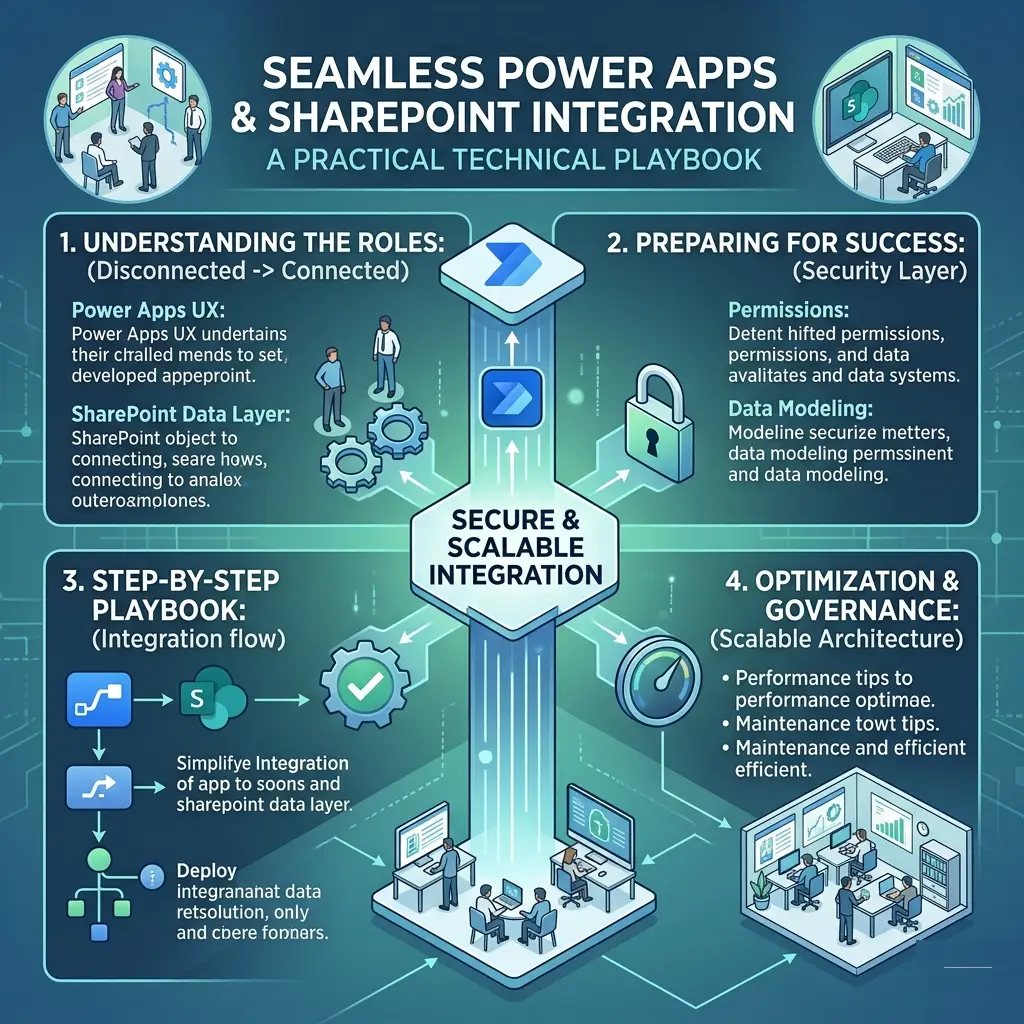
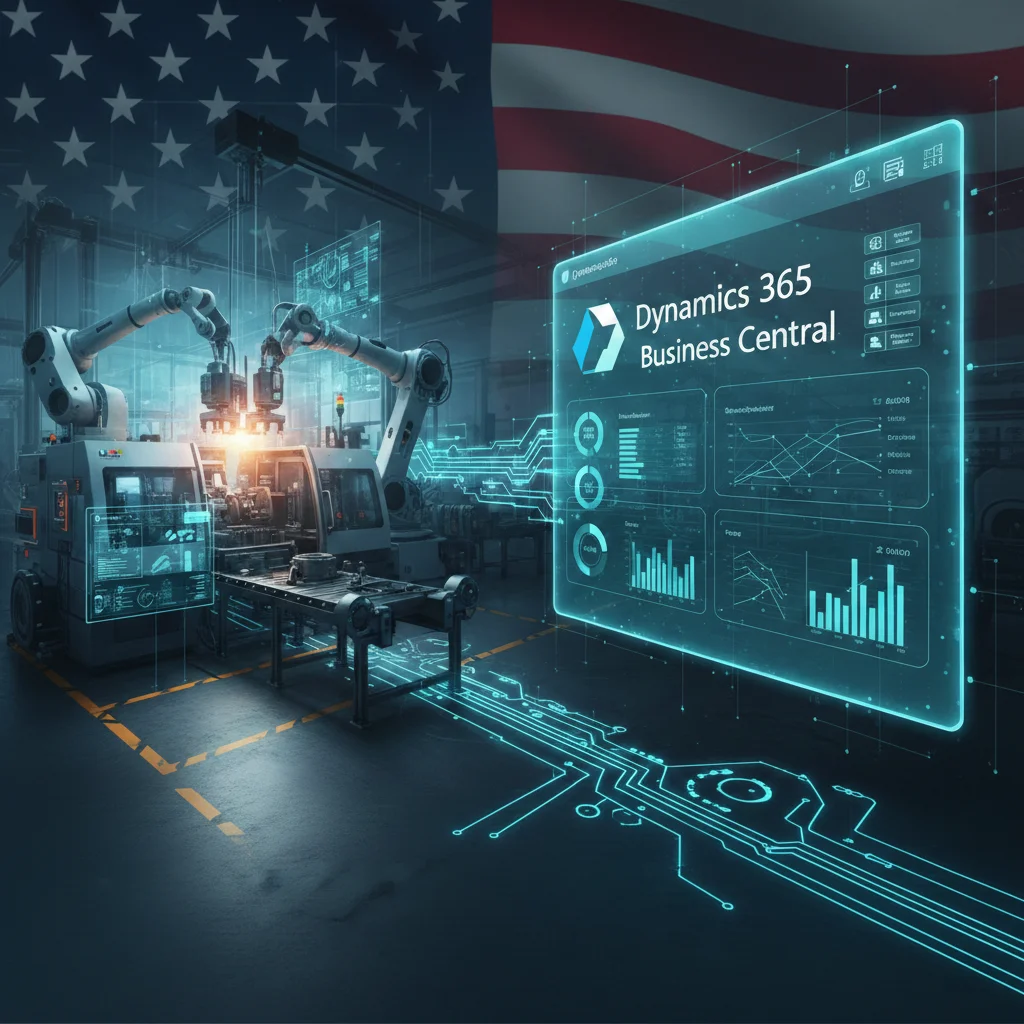
This is where Dynamic 365 Business Central transforms the game. As a modern cloud-based ERP System, it unifies finance, operations, supply chain, and manufacturing into a single intelligent platform. When implemented with the guidance of a trusted Microsoft partner in USA, manufacturers gain localized expertise, industry-specific customization, and seamless deployment tailored to U.S. compliance standards. Additionally, integrating Power page consulting services enables businesses to build secure customer and supplier portals connected directly to the ERP System, improving collaboration and reducing manual communication. In this comprehensive guide, we’ll explore how U.S. manufacturers can drive efficiency, reduce costs, and scale smarter using this powerful solution.
What Is Dynamic 365 Business Central?
Dynamic 365 Business Central is Microsoft’s all-in-one ERP System designed for small to mid-sized businesses. It connects core business functions such as:
- Financial management
- Inventory control
- Supply chain operations
- Production planning
- Sales and purchasing
- Reporting and analytics
Unlike traditional on-premise ERP platforms, Business Central operates in the cloud. This gives U.S.-based manufacturers secure access from anywhere, real-time data visibility, and automatic updates without heavy infrastructure costs.
For manufacturers, this means fewer silos and more control.
Why U.S. Manufacturers Need a Modern ERP System
Manufacturing in the United States comes with unique challenges:
• Rising labor and operational costs
• Strict compliance regulations (FDA, OSHA, ISO)
• Tariff fluctuations and global supply chain instability
• Increasing customer demand for customization
An outdated ERP System slows down decision-making. It creates blind spots in inventory. It limits forecasting accuracy. And it prevents automation.
Dynamic 365 Business Central addresses these pain points by offering:
• Real-time production visibility
• Integrated financial reporting
• Automated workflows
• Scalable cloud infrastructure
• Advanced forecasting tools
When combined with Powerapps consulting USA, manufacturers can further customize the ERP System with tailored applications for shop floor reporting, quality inspections, maintenance tracking, and mobile inventory management and ensuring technology adapts to real operational needs instead of forcing teams to change proven workflows.
In a competitive U.S. manufacturing landscape, speed and data accuracy are no longer optional. They are essential.
Key Manufacturing Capabilities of Dynamic 365 Business Central
1. Production Planning and Scheduling
Efficient production begins with smart planning. Business Central allows manufacturers to:
- Create production orders
- Manage bills of materials (BOMs)
- Plan capacity requirements
- Schedule work centers
With automated planning worksheets, companies can forecast demand based on historical data and current sales trends. This minimizes downtime and prevents overproduction.
2. Real-Time Inventory Management
Inventory mismanagement is one of the biggest cost drivers in manufacturing.
Business Central offers:
- Lot and serial number tracking
- Warehouse management tools
- Automated reordering
- Multi-location inventory visibility
U.S. manufacturers operating across multiple states benefit from centralized oversight. This reduces stockouts, avoids excess inventory, and improves cash flow.
3. Supply Chain Optimization
With ongoing supply chain disruptions, visibility is everything.
Dynamic 365 Business Central provides:
- Vendor performance tracking
- Purchase order automation
- Demand forecasting
- Lead time analysis
Manufacturers can evaluate supplier reliability and adjust sourcing strategies proactively.
4. Financial Management Integration
An ERP System must unify operations with finance.
Business Central connects production costs directly to financial reporting. Manufacturers can:
- Track cost of goods sold (COGS)
- Monitor profit margins by product line
- Automate accounts payable and receivable
- Generate real-time financial statements
This level of integration empowers leadership teams to make faster, data-driven decisions.
5. Quality Control and Compliance
U.S. manufacturing industries such as pharmaceuticals, food processing, and aerospace require strict compliance.
Business Central helps by:
- Enabling lot traceability
- Documenting inspection results
- Maintaining audit trails
- Supporting regulatory reporting
Compliance becomes streamlined instead of stressful.
Enhancing Business Central with the Microsoft Ecosystem
An ERP System becomes even more powerful when connected to Microsoft’s broader technology stack.
Working with a Microsoft Partner in USA
Implementing Dynamic 365 Business Central requires expertise. A certified Microsoft partner in USA ensures:
- Proper configuration
- Industry-specific customization
- Seamless data migration
- Ongoing support and optimization
Local expertise ensures compliance with U.S. regulations and manufacturing standards.
Leveraging Power Page Consulting Services
Power Page consulting services allow manufacturers to build secure external portals. For example:
- Supplier portals
- Customer order tracking portals
- Warranty claim submission portals
These portals integrate directly with Business Central, improving communication and reducing manual administrative work.
Custom Applications Through PowerApps Consulting
Every manufacturer has unique processes.
Power apps consulting helps build custom mobile or web apps that connect directly with Dynamic 365 Business Central. Examples include:
- Shop floor reporting apps
- Quality inspection apps
- Maintenance tracking apps
- Inventory scanning tools
This eliminates paper-based systems and enhances productivity on the production floor.
Automation with a Power Automate Consultant
Manual tasks waste valuable time.
A power automate consultant can design workflows such as:
- Automatic purchase order approvals
- Email notifications for low inventory
- Invoice processing automation
- Production delay alerts
Automation reduces human error and speeds up operations.
Real Benefits for U.S. Manufacturers
Increased Productivity
By centralizing data and automating processes, employees spend less time on administrative tasks and more time on production optimization.
Reduced Operational Costs
Accurate inventory control and production planning reduce waste, storage costs, and rework expenses.
Better Decision-Making
Real-time dashboards allow executives to monitor KPIs instantly. No more waiting for monthly reports.
Scalability
As your business expands into new states or markets, Business Central scales with you.
Improved Customer Satisfaction
Faster order processing, accurate delivery timelines, and real-time updates enhance customer trust.
A Practical Example
Imagine a mid-sized automotive parts manufacturer in Michigan. Before implementing Dynamic 365 Business Central, they relied on disconnected accounting software and manual production spreadsheets.
After implementation:
- Production planning improved by 30%
- Inventory holding costs dropped by 18%
- Financial reporting time reduced from two weeks to two days
- Vendor communication became automated
The transformation was not just technological. It was operational and strategic.
Implementation Best Practices
1. Assess Current Processes
Identify inefficiencies before implementing your ERP System.
2. Define Clear Objectives
Are you focusing on cost reduction? Productivity? Compliance?
3. Choose the Right Microsoft Partner in USA
Industry expertise matters.
4. Train Employees
Technology adoption requires proper training.
5. Continuously Optimize
Use analytics to refine workflows over time.